

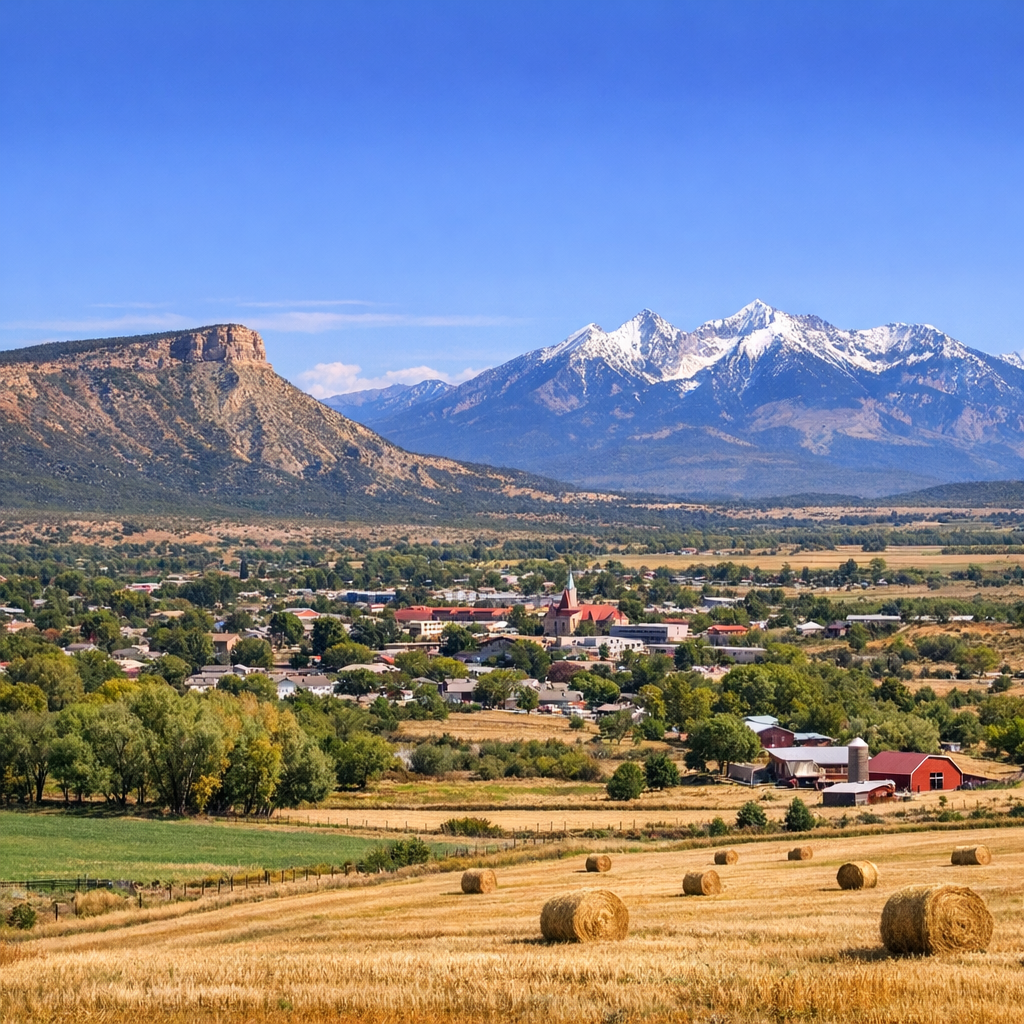
Cortez, Colorado, offers a distinctive climate characterized by significant temperature variations and distinct seasonal changes. Understanding these patterns can help residents and visitors prepare for the weather year-round.
Temperature Variations
Throughout the year, Cortez experiences a wide range of temperatures. Winters can be quite cold, with average lows around 15°F (-9°C) in January, while summers are warm, with average highs reaching 87°F (31°C) in July. Such fluctuations are typical of the region’s climate.
Precipitation Patterns
Annual precipitation in Cortez averages approximately 12.6 inches (320 mm). The city experiences relatively low rainfall, with the driest month being June, averaging 0.39 inches (9.91 mm) of precipitation. Conversely, August tends to be the wettest month, receiving about 1.37 inches (34.8 mm) of rainfall.
Seasonal Changes
Spring and fall serve as transitional periods, with temperatures gradually warming in spring and cooling in fall. These seasons are often marked by mild weather, making them ideal times for outdoor activities. Summer brings warm temperatures and occasional thunderstorms, while winter is characterized by cold temperatures and snowfall, with January being the snowiest month, averaging 8.11 inches (206 mm) of snow.
Planning Your Activities
Given the climate, it’s advisable to plan outdoor activities during the milder months of spring and fall. Summer activities should account for potential heat and afternoon thunderstorms, while winter pursuits should prepare for cold temperatures and snow.
By understanding Cortez’s climate patterns, residents and visitors can better prepare for and enjoy all that the region has to offer throughout the year.