

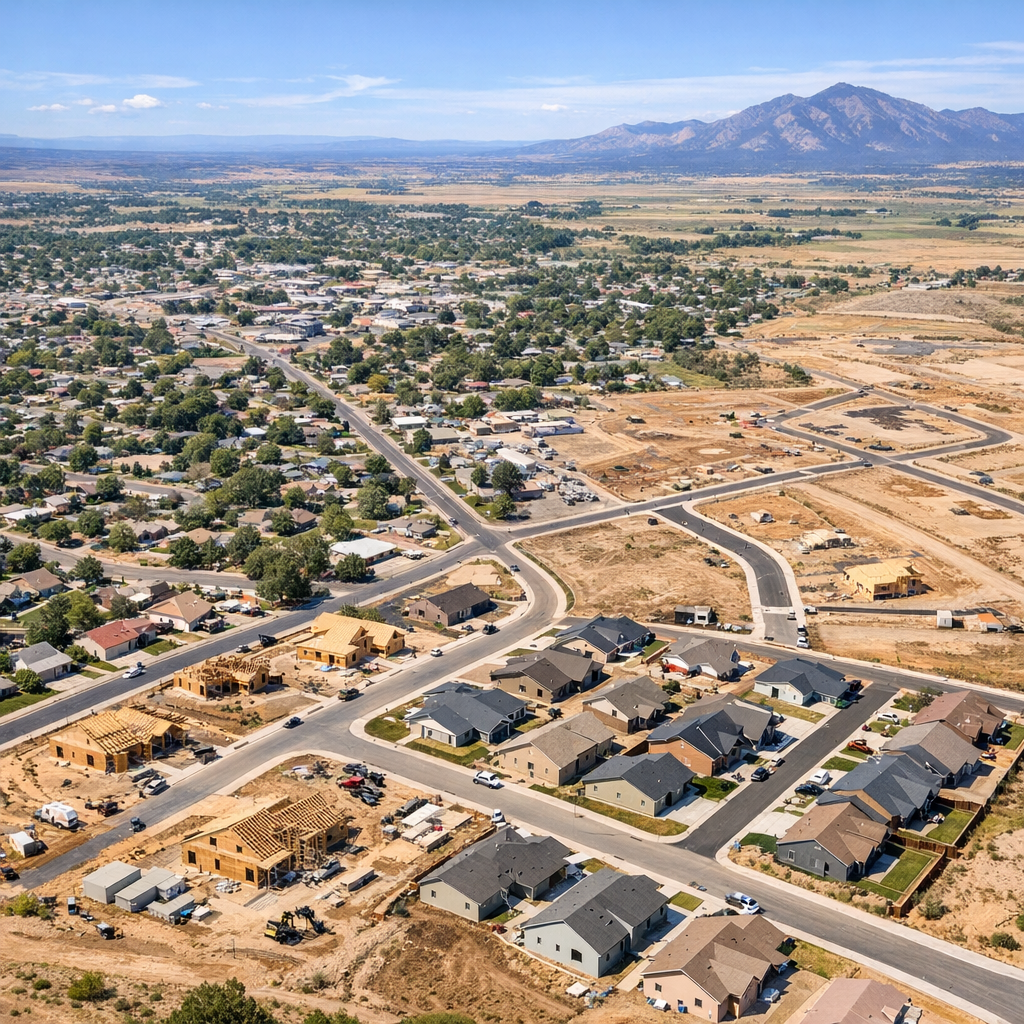
The housing market in Cortez, Colorado, is experiencing notable changes, reflecting broader regional trends and local initiatives aimed at addressing housing needs.
Current Market Trends
As of April 2026, the median listing price for homes in Cortez stands at $425,000, marking a 6.25% increase over the past year. The median sold price is $319,500, up 5.97% from the previous year. Homes are spending a median of 62 days on the market, indicating a relatively balanced market. The price per square foot has risen to $249, a 6.87% increase year-over-year. These figures suggest a steady appreciation in property values, making it an opportune time for both buyers and sellers to engage in the market.
Rental Market Insights
The rental market in Cortez is also evolving. The average rent as of March 31, 2026, is $1,608, which is below the national average of $1,910. This affordability may attract renters seeking cost-effective housing options. However, with only three active rental listings reported, the limited availability could pose challenges for those seeking rental properties.
Affordable Housing Developments
In response to the growing need for affordable housing, the City of Cortez has initiated several projects. Notably, the Tawi Kaan Apartments, a 42-unit development, was completed to provide permanent supportive housing for individuals and families facing homelessness or housing instability. This project, a collaboration between BlueLine Development and The Piñon Project, emphasizes culturally responsive and trauma-informed design principles.
Additionally, plans are underway for a 70-unit affordable housing development on a 14-acre site of the former Montezuma-Cortez High School on West Seventh Street. The city is in exclusive negotiations with Evergreen Real Estate to bring this project to fruition, aiming to further alleviate housing shortages in the area.
City Initiatives and Future Outlook
The City of Cortez adopted a Housing Action Plan in August 2023, focusing on preserving existing housing stock, increasing housing production, and addressing the needs of residents across various income levels. Strategies include education and outreach, collaborative partnerships, housing rehabilitation, adaptive reuse, and attracting external funding.
These concerted efforts reflect a proactive approach to ensuring that Cortez remains a vibrant and inclusive community, accommodating the diverse housing needs of its residents.